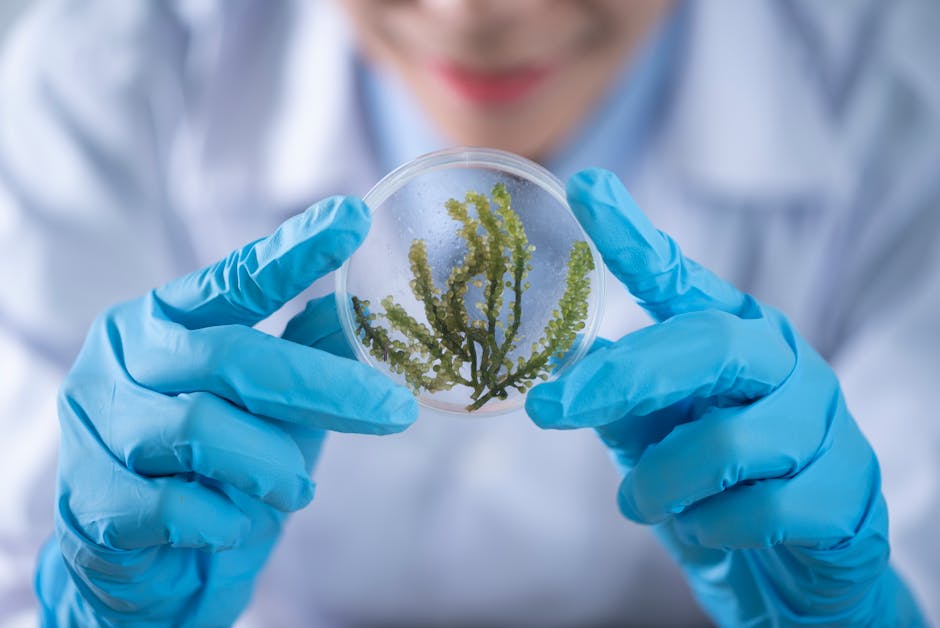
The Potential of Algae Biofuel: A Sustainable Alternative to Fossil Fuels.
The Potential of Algae Biofuel: A Sustainable Alternative to Fossil Fuels.
Reading Time: 9 mins
From Pond Scum to Powerhouse: Algae's Energy Revolution
From Pond Scum to Powerhouse: Algae's Energy Revolution
The promise of algae biofuel stems from its inherent efficiency. Unlike traditional biofuel crops like corn or soy, algae boasts a rapid growth rate and doesn't require arable land. Some strains can double their biomass in just a few hours. This translates to potentially higher yields per acre, a critical factor in replacing fossil fuels on a large scale.
The magic lies within the lipids – the fatty acids – that certain algae species accumulate. These lipids can be extracted and converted into biodiesel through a relatively straightforward process. Think of it as squeezing oil from microscopic plants. The theoretical potential is staggering. Market size estimates suggest a multi-billion dollar industry is possible within the next decade, driven by both environmental concerns and energy security.
However, the journey from lab to gas tank isn't without its roadblocks. One major challenge is lipid extraction. Current methods, involving everything from mechanical pressing to solvent extraction, are often energy-intensive and expensive. Finding a cost-effective and scalable method remains a key research priority.
Another hurdle is algae strain selection. While some species are naturally high in lipids, others are more robust or easier to cultivate. Scientists are constantly screening and optimizing algae strains to find the "super algae" that combines high lipid content with resilience and rapid growth. This is where genetic engineering comes into play.
Furthermore, maintaining optimal growing conditions for algae on a large scale presents significant engineering challenges. Controlling temperature, light, and nutrient levels in vast outdoor ponds or enclosed bioreactors is a complex and resource-intensive undertaking. The balance between maximizing productivity and minimizing costs is a constant tightrope walk for algae biofuel producers.
The Lipid Gold Rush: Unlocking Algae's Hidden Oils
The Lipid Gold Rush: Unlocking Algae's Hidden Oils
The real promise of algae biofuel lies within its oily innards. Certain species, under the right conditions, can accumulate significant amounts of lipids – essentially, fats and oils – that can be converted into biodiesel. This is the “lipid gold rush” driving much of the current research and investment. Finding the algal strains that naturally produce the most oil is only the beginning.
Think of it as finding the perfect olive for high-quality olive oil. But algae are far more diverse than olives. Scientists are constantly screening and identifying new species with vastly different lipid profiles. Some might be great for jet fuel, others for diesel alternatives.
The allure is powerful. Market size estimates suggest the algae biofuel market could reach billions within the next decade. However, extracting these lipids efficiently and cost-effectively remains a significant challenge.
Current methods often involve energy-intensive processes like solvent extraction or mechanical pressing. These methods can be expensive and environmentally taxing, undermining the overall sustainability of the biofuel. Think of crushing tons of olives to get a small amount of oil, and the mess that creates.
Researchers are exploring innovative solutions, including enzymatic lysis – using enzymes to break down the cell walls and release the lipids. Another promising avenue involves genetic engineering to create algae that secrete their lipids directly into the surrounding water. This would simplify the harvesting process and reduce costs considerably. This is a key area to watch for breakthroughs that could truly change the game. The race is on to unlock the full potential of algae's hidden oils, but the technological hurdles are substantial.
Beyond Biodiesel: Algae's Versatility in Biofuel Production
Beyond Biodiesel: Algae's Versatility in Biofuel Production
Beyond Biodiesel: Algae's Versatility in Biofuel Production
While biodiesel derived from algae's lipid content grabs headlines, its potential stretches far wider. Think beyond just replacing diesel engines. Algae can be processed into a surprising range of biofuels, each with its own applications and challenges.
Ethanol, a common gasoline additive, is a prime example. Some algae strains, particularly those rich in carbohydrates, can be fermented to produce ethanol. This opens up possibilities for blending with gasoline, reducing reliance on petroleum-based fuels in conventional vehicles. The key lies in efficiently breaking down the algal cell walls to release fermentable sugars, a process still under optimization.
Butanol is another promising alcohol fuel, offering advantages over ethanol. It boasts a higher energy density and is less corrosive, making it a better drop-in replacement for gasoline. Certain algae species naturally produce butanol, though yields are currently low. Metabolic engineering offers pathways to boost butanol production, but researchers are in a race against time to make the process economically viable.
Beyond alcohols, algae can be converted into biogas through anaerobic digestion. This process breaks down organic matter in the absence of oxygen, producing methane-rich biogas that can be used for electricity generation or heating. Wastewater treatment plants are exploring co-digestion of algae biomass with sewage sludge to enhance biogas production and reduce waste disposal costs.
Jet fuel is perhaps the holy grail. The aviation industry faces immense pressure to decarbonize. Algae-derived jet fuel, produced through hydroprocessing of algal oils, offers a sustainable alternative to conventional kerosene. Several test flights using algae biofuel blends have demonstrated its feasibility, but scaling up production to meet the massive demand of the aviation sector remains a significant hurdle. Market size estimates suggest a multi-billion dollar opportunity if algae biofuel can compete on price with fossil-based jet fuel. However, current production costs are still substantially higher, requiring further technological advancements and policy support to bridge the gap.
Engineering the Perfect Algae: Genetic Tweaks for Maximum Yield
Engineering the Perfect Algae: Genetic Tweaks for Maximum Yield
Engineering the Perfect Algae: Genetic Tweaks for Maximum Yield
The quest for high-yielding algae strains is transforming labs into modern-day alchemy workshops. Researchers are using a suite of genetic engineering tools to coax algae into producing more lipids, the fatty molecules that are the building blocks of biodiesel. Think of it as selectively breeding plants, but on a vastly accelerated timescale, and with much greater precision.
One promising avenue involves manipulating genes that control lipid production pathways. For example, scientists are working to overexpress certain enzymes that catalyze key steps in the synthesis of triglycerides, the main component of algal oil. This could boost lipid accumulation significantly, potentially doubling or even tripling oil content compared to wild-type strains.
Another strategy focuses on optimizing carbon allocation within the algal cell. Algae, like all organisms, require carbon for various processes, including growth and reproduction. By redirecting more carbon towards lipid production, researchers aim to create strains that are more "oil factories" than balanced organisms. This often involves knocking out genes involved in competing pathways, like carbohydrate synthesis.
But it’s not all smooth sailing. Manipulating these complex biological systems can have unintended consequences. Altered strains might grow slower, become more susceptible to disease, or require more nutrients. The challenge lies in finding the right balance – maximizing lipid production without compromising the overall health and robustness of the algae. Market size estimates suggest a multi-billion dollar market for optimized algal strains by 2030, but only if these engineering challenges are overcome.
CRISPR-Cas9 gene editing offers unprecedented precision in this endeavor. It allows scientists to target specific genes with remarkable accuracy, making it easier to fine-tune metabolic pathways. This is a game-changer compared to earlier, more random mutagenesis techniques. However, concerns remain about the potential for unintended off-target effects and the regulatory hurdles surrounding genetically modified organisms. Public acceptance, particularly in some European markets, will be crucial for the widespread adoption of genetically engineered algae biofuels.
Scaling Up the Green Tide: Overcoming the Production Hurdles
Scaling Up the Green Tide: Overcoming the Production Hurdles
Scaling up algae biofuel production presents formidable engineering and economic challenges. The promise of sustainable fuel hinges on overcoming these hurdles. Reaching commercial viability requires a delicate balance between optimizing growth, harvesting efficiently, and minimizing energy consumption.
Open pond systems, the simplest approach, face limitations. Contamination from competing organisms and unpredictable weather drastically impact productivity. Imagine a sudden downpour diluting your algae culture, wiping out weeks of growth. Closed photobioreactors offer more control, but their construction and operation are significantly more expensive. Market size estimates suggest a multi-billion dollar industry by 2030, but that's predicated on cost-effective production.
One major bottleneck is harvesting. Algae are tiny, suspended in water. Separating them requires energy-intensive methods like centrifugation or flocculation. Innovative approaches, such as using magnetic nanoparticles to bind to algae and then separating them with magnets, are under development, but widespread adoption remains distant.
Another sticking point is lipid extraction. Rupturing the algae cells to release the oil requires specialized equipment and solvents. Some processes are environmentally harsh. Finding gentler, more efficient methods is crucial for a truly sustainable biofuel.
Energy input is another crucial element. Pumping water, providing light (artificial or natural), and maintaining optimal temperatures all consume energy. If the energy needed to produce algae biofuel approaches or exceeds the energy derived from it, the entire venture becomes unsustainable. The focus is finding the sweet spot: technologies that minimize energy usage without sacrificing output. Government funding and private investment are necessary to overcome these technological and economic barriers, paving the way for algae to truly compete with fossil fuels.
Algae vs. Fossil Fuels: A Lifecycle Analysis of Sustainability
Algae vs. Fossil Fuels: A Lifecycle Analysis of Sustainability
Algae biofuel promises a greener future, but how does it truly stack up against fossil fuels when we consider the entire lifecycle? A simple "algae good, oil bad" narrative doesn’t capture the complexities. We need to examine everything from resource extraction to combustion.
Fossil fuels carry a heavy carbon debt from the outset. Drilling, transportation, and refining all release greenhouse gasses before a single drop of gasoline hits your engine. Algae farming, on the other hand, theoretically captures CO2 from the atmosphere during growth, potentially creating a carbon-neutral or even carbon-negative fuel source.
However, the devil is in the details. Cultivating algae at scale demands energy. Pumping water, providing nutrients (often derived from fertilizers produced with fossil fuels), and harvesting the biomass all contribute to its carbon footprint. If we're relying heavily on energy-intensive processes, the advantage shrinks.
Consider fertilizer production. Current large-scale algae farms often depend on nitrogen and phosphorus derived from industrial processes that utilize significant fossil fuel inputs. Researchers are actively exploring alternative nutrient sources, like wastewater treatment effluent, to close the loop and reduce this dependency. Innovations like this are essential.
Then there's the conversion process. Extracting oil from algae and refining it into biofuel requires energy, and the efficiency of these processes varies greatly. Some methods, like solvent extraction, can be energy-intensive and require careful handling of chemicals. Thermochemical conversion, while promising, is still relatively immature and expensive.
Market size estimates suggest the algae biofuel market could reach billions of dollars in the coming decades. But achieving this requires optimizing every stage of the lifecycle. We need breakthroughs in efficient algae strains, sustainable nutrient sources, and low-energy conversion technologies. It’s not enough to just grow algae; we need to do it smarter.
Frequently Asked Questions
Frequently Asked Questions
Okay, here are 5 FAQ Q&A pairs in Markdown format about the potential of algae biofuel:
Q1: What is algae biofuel and how is it different from regular biofuel?
A: Algae biofuel is biofuel derived from algae. Unlike biofuels from crops, algae don't require arable land and can grow faster, leading to higher yields.
Q2: Is algae biofuel truly sustainable?
A: Potentially, yes. Algae consumes CO2 during growth and doesn't compete with food crops. However, sustainability depends on the specific cultivation and processing methods used (e.g., energy input for harvesting).
Q3: What are the main advantages of using algae to produce biofuel?
A: Key advantages include high oil yields per acre, CO2 sequestration, non-competition with food crops, and cultivation in non-arable land and wastewater.
Q4: What are some of the challenges currently hindering the widespread adoption of algae biofuel?
A: Challenges include high production costs, efficient harvesting and oil extraction techniques, and scaling up production to commercially viable levels.
Q5: What types of fuels can be produced from algae?
A: Algae can be used to produce biodiesel, bioethanol, bio-oil, and even jet fuel.
Disclaimer: The information provided in this article is for educational and informational purposes only and should not be construed as professional financial, medical, or legal advice. Opinions expressed here are those of the editorial team and may not reflect the most current developments. Always consult with a qualified professional before making decisions based on this content.